
|
Langkawi, Malaysia – The Faculty of Mathematics and Natural Sciences, Universitas Indonesia (FMIPA UI), is developing science-based solutions for micro, small, and medium-sized enterprises (SMEs) in Langkawi, Malaysia, through a community engagement collaboration with Universiti Sains Malaysia (USM). Through the initiative, the team identified opportunities to strengthen the branding of local products and optimize the use of artificial intelligence (AI) technologies to enhance business competitiveness.
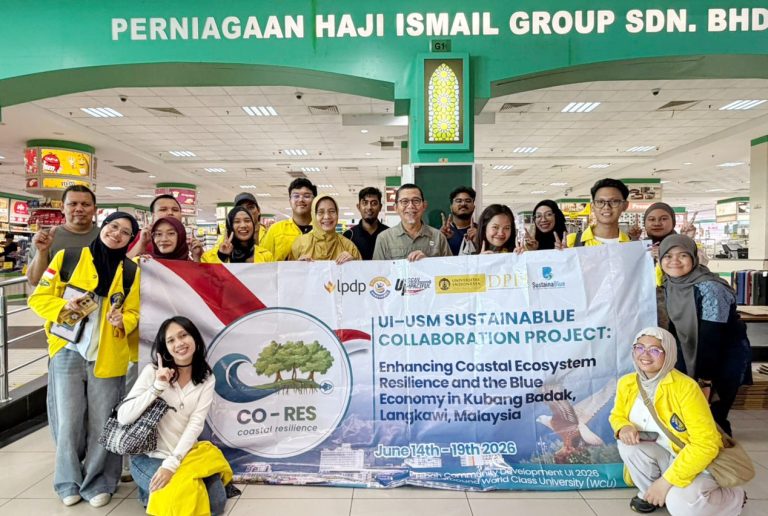
The findings emerged from the community engagement initiative under the UI–USM SustainaBlue Collaboration Project: Enhancing Coastal Ecosystem Resilience and the Blue Economy in Kubang Badak, Langkawi, Malaysia, which is funded through the 2026 Universitas Indonesia World Class University (WCU) Community Engagement Grant. The program is led by Retno Lestari of the Department of Biology, FMIPA UI, with Mufti Petala Patria serving as the UI SustainaBlue Coordinator.
Mufti Petala Patria stated that strengthening the capacity of micro, small, and medium-sized enterprises (SMEs) is part of FMIPA UI’s efforts to deliver science-based solutions for the community.
“FMIPA UI does not only provide assistance, but also delivers science-based solutions that can be applied by the community,” he said.
According to him, the results of observations and scientific studies are used as the basis for formulating recommendations so that SMEs can leverage innovations, including AI, to strengthen product branding and support the development of a sustainable blue economy.
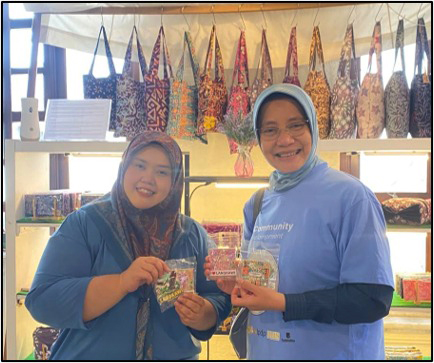
Meanwhile, Retno Lestari explained that the activity was designed to map the needs of SMEs while also formulating appropriate forms of assistance and mentoring.
“We aim to gain a direct understanding of the challenges faced by SMEs in Langkawi, ranging from product branding to digital technology adaptation. The results of this mapping will serve as the basis for designing more targeted mentoring programs,” she said, according to Retno Lestari.
The field survey was conducted on 15 June 2026 at the Perniagaan Haji Ismail Group (PHIG), one of the largest local product retail centers in Langkawi.
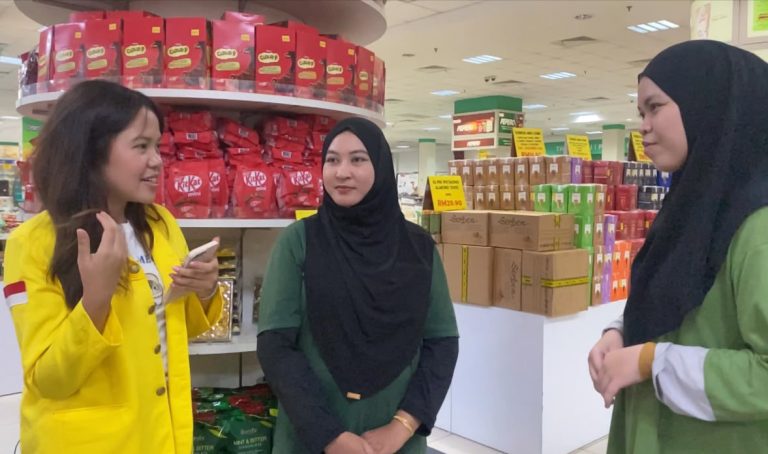
In addition to observations, the team interviewed 10 business owners and PHIG staff. The findings showed that chocolate remains the most in-demand product, particularly during school holiday seasons. Tourists also tend to look for traditional Malay products and Langkawi specialty items as souvenirs. Factors influencing purchasing decisions include product uniqueness, quality, taste, as well as attractive and informative packaging.
A PHIG security officer, Khairudin, said that visitor numbers have not yet fully recovered since the COVID-19 pandemic.
“Before the COVID-19 pandemic, this place was always crowded with tourists. However, after the pandemic, visitor numbers declined, and the second floor is now more often used for packaging and product shipping activities,” he said.
PHIG staff members Zulaika and Shafika stated that chocolate remains the most popular product among tourists.
“The best-selling product is chocolate. Most of our customers are tourists, and the busiest period usually occurs during the school holiday season, especially in December,” they said.
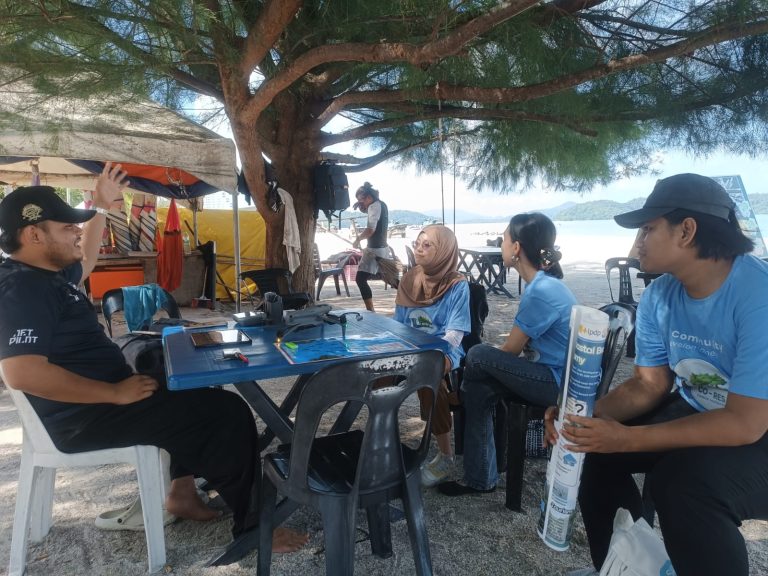
The activity continued on 16 June 2026 at Pantai Cenang, the Langkawi Craft Complex, and Wan Fruit Store. The team explored the extent of AI utilization in developing business branding while also examining SMEs’ understanding of financial management practices.
Through surveys and interviews, the team found that most SMEs are already familiar with AI technology, although its level of utilization varies. Some have used it to create logos, promotional materials, and digital marketing content, while others still require further assistance and mentoring.
One SME operator at the Langkawi Craft Complex said they have utilized AI to support the promotion of their business.
“We have used AI several times to help create logos and promotional materials for our business. It is faster and makes it easier for us to introduce our products to customers,” he said.
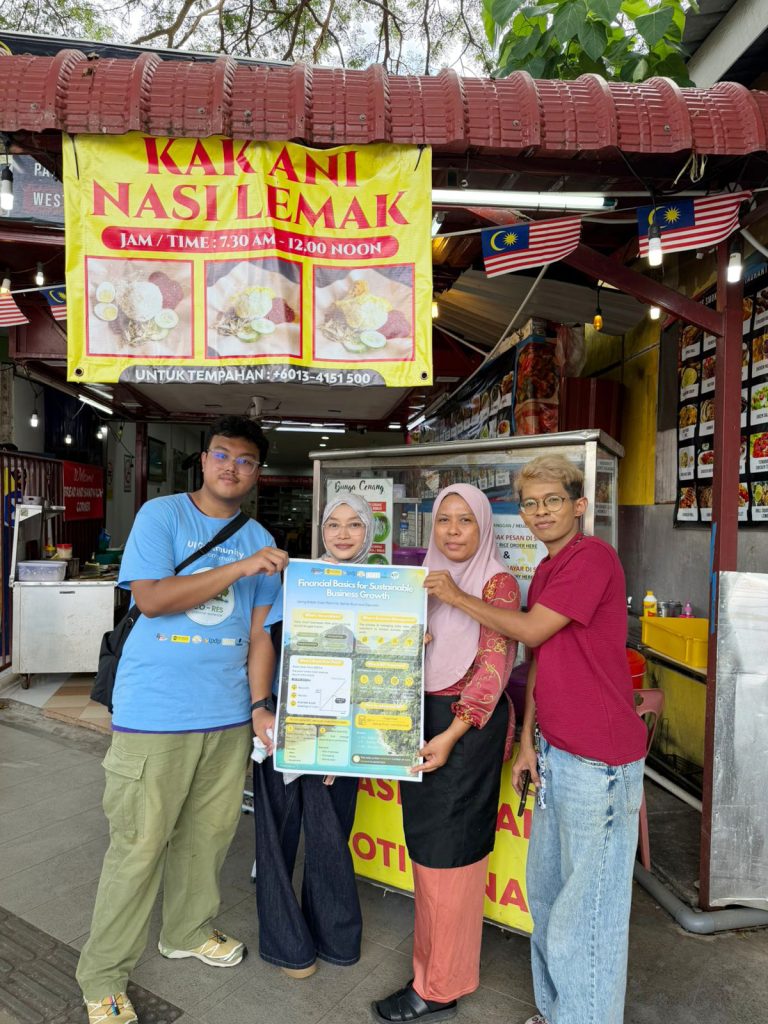
As a follow-up, the FMIPA UI and USM team provided a brief educational session on the use of AI for logo creation, promotional materials, and digital marketing content. This assistance is expected to help SMEs improve the quality of their product branding while also expanding their marketing reach.
The activity also involved students from the Department of Biology, FMIPA UI: Niken Laoren, Rakha Nabillutra Falah, Cloudya Zefanya, Ahura Zia Fiwansjah, Kendra Elvina Rosano, Hedza Fadli Robbina, Ilma Ardelia, Ushulil Hidayat, and Syaqila Putri Maharani, and was supported by program consultants Amelia Said and Fajar Reza Budiman.
The collaboration between FMIPA UI and USM is part of the implementation of the university’s Three Pillars of Higher Education (Tridarma Perguruan Tinggi) through international-scale community engagement. In addition to mapping the conditions of SMEs, the program also produces science-based recommendations and mentoring to support improved competitiveness of local products and the sustainable development of the blue economy.